

When soccer star Kylian Mbappé steps onto a field in the 2026 World Cup games, he won’t be thinking about the grass beneath his feet. Hopefully. Players and fans alike will be focusing on the game.
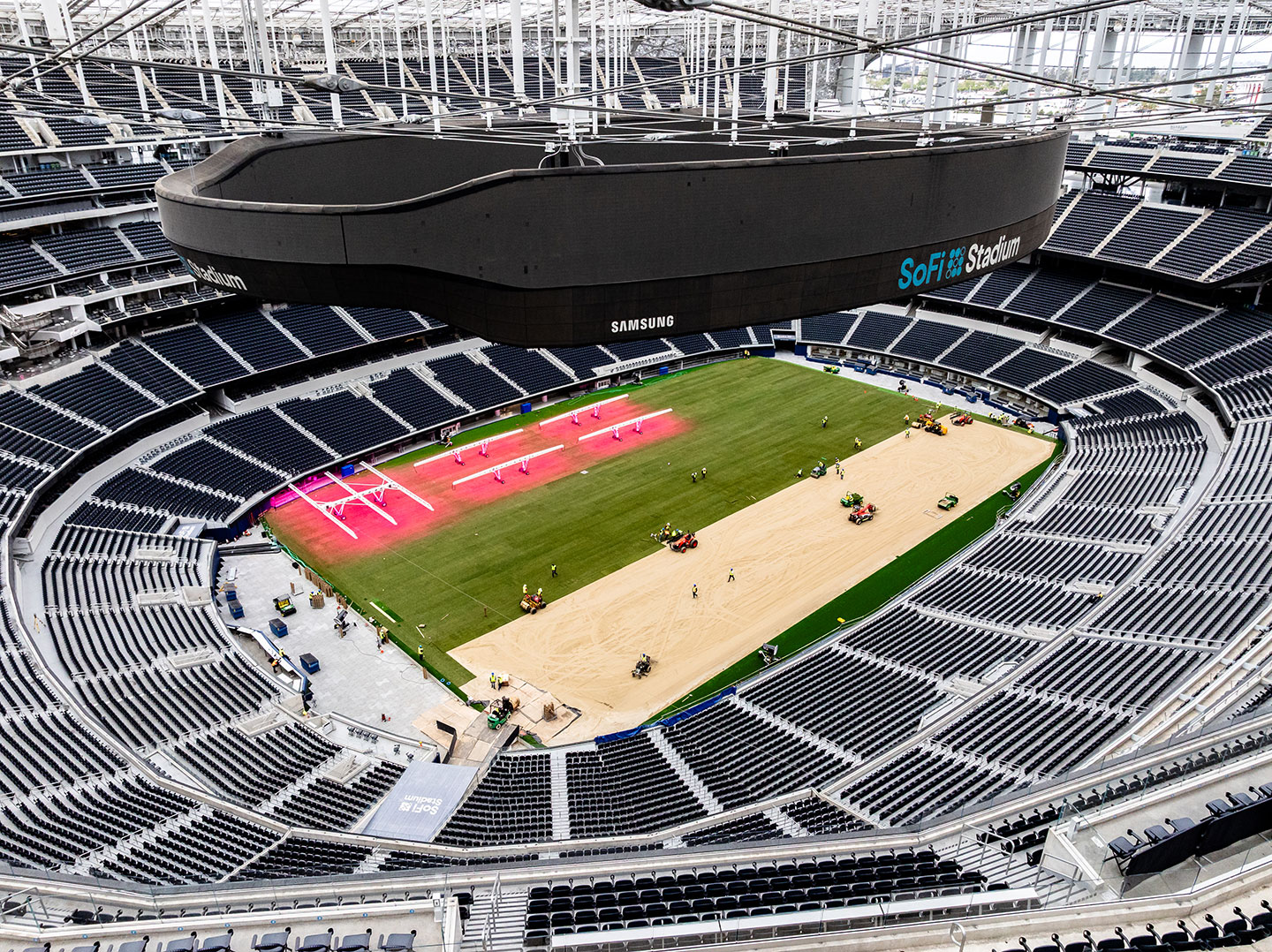
But not turf specialists, especially those at the University of Tennessee (UT) and Michigan State University (MSU). They’ve been working for the past few years with FIFA. That’s the governing body for World Cup Soccer. For these researchers, the goal is to ensure the playing fields — or pitches — support the upcoming games. And what they’ve learned may pay off in better grass athletic fields everywhere.
World Cup matches always take place on natural grass.
Groundskeepers usually start working on the pitches six to eight months before the games. The 2022 games took place in Qatar, the 2018 games in Russia. Both times, all fields (and their stadiums) had been designed and built specifically for those tournaments.
This year, none were.
 Read Entire Article



 English (US)